

When you’re choosing carpet flooring in Long Island, five things matter most: fiber type, density, moisture resistance, padding, and style. Let the room guide you. A damp basement, a busy hallway, and a quiet guest bedroom all have different needs. Softness is only part of the picture, so check the manufacturer’s specifications to see how a carpet will actually hold up. Pair the right carpet flooring and pad with solid installation, and your floor can stay comfortable and good-looking for years.
How to Evaluate Carpet Flooring in Long Island Before you Buy
Almost every carpet feels softer and looks richer under showroom lighting than it will in your living room. This checklist helps you compare options on what they’re made of, not just how they first strike you.
1. Fiber Type
The fiber type affects how your carpet handles foot traffic, spills, and sunlight. Here’s how the common types differ:
- Nylon: Often a strong choice for hallways, stairs, and family rooms because it bounces back well. Still, compare the construction and the manufacturer’s specifications before you commit.
- Polyester: Soft, vibrant in color, and easy on the budget. The trade-off is that it can flatten sooner in high-traffic areas.
- Wool: Naturally durable and comfortable underfoot, but it costs more and does best with gentle care.
- Olefin: Resists moisture in many product types. Check the specifications and make sure it suits the room, especially if it’s going in a basement.
2. Density and Face Weight
Bend a sample gently and see how much backing shows through. It’s a handy first check, but not a final verdict on quality. For a fair comparison, look at fiber type, pile construction, density, and the manufacturer’s specifications together. Where it applies, ask for the face weight and twist details, and compare products using the same specs side by side.
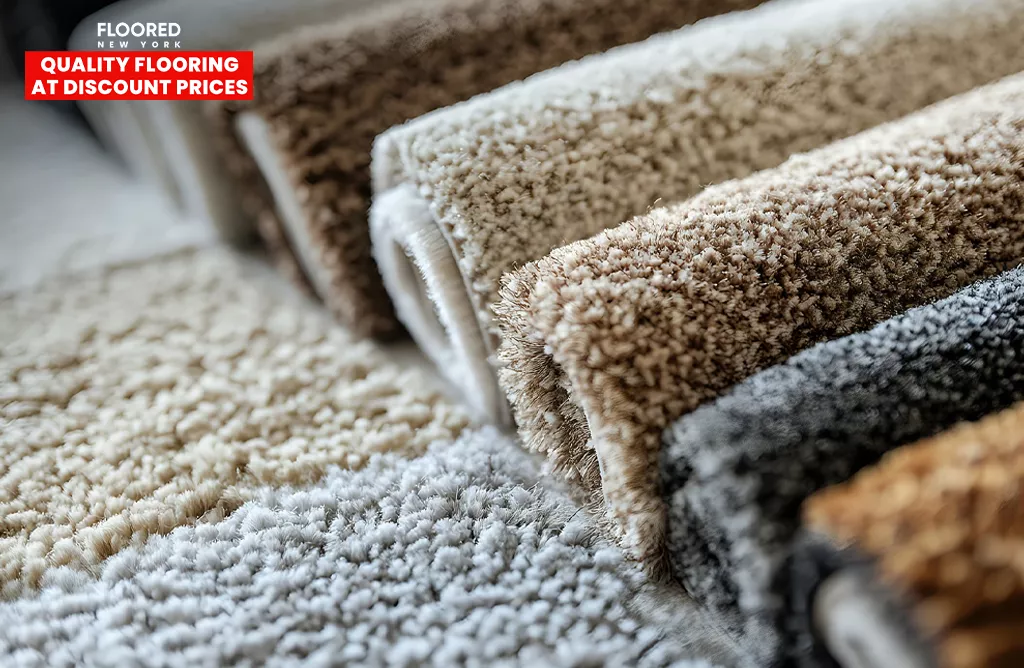
3. Moisture and Humidity Resistance
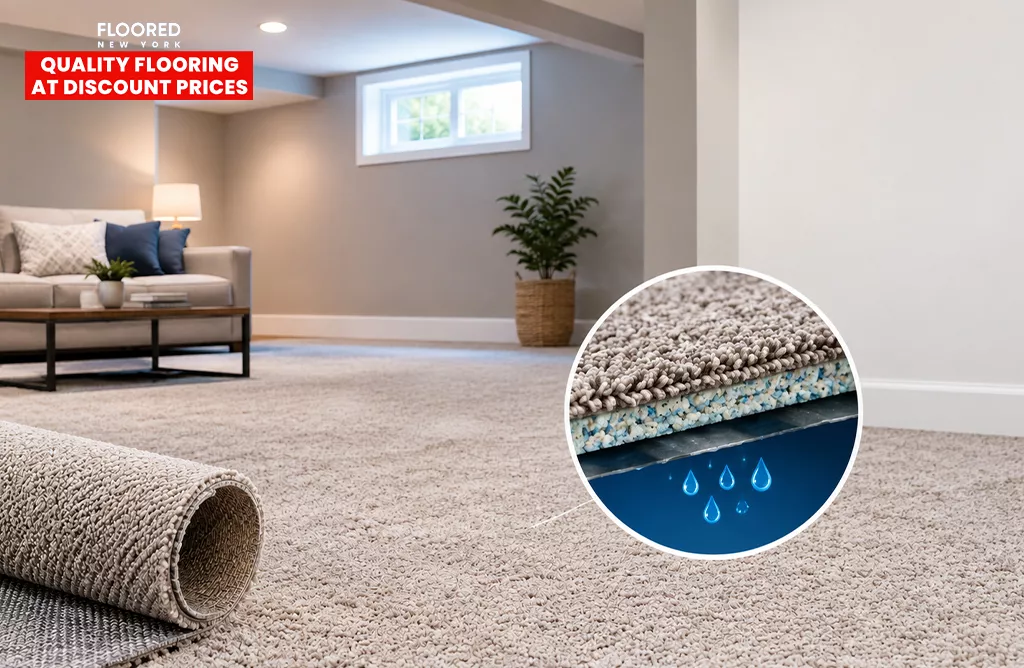
Every room has its own moisture conditions, and the carpet should match them. For basements or other damp areas, read the manufacturer’s installation recommendations and Check the manufacturer’s recommendations to confirm that the carpet and padding are suitable for below-grade use. Fix any leaks or lingering moisture before the carpet goes down, and ask whether your specific flooring setup calls for extra moisture protection.
4. Padding and Installation
Good padding does a lot of quiet work, supporting both comfort and the long-term performance of your carpet flooring. Pick one that follows the manufacturer’s recommendations and fits how much traffic the room gets. Careful stretching, seaming, and subfloor preparation also go a long way toward preventing wrinkles and uneven wear.
5. Style, Color, and Lifestyle
Think about how your household really lives. In a busy family room, textured or patterned carpet can hide footprints and small marks, and a practical mid-tone shade tends to show everyday dirt less. If you’re buying for a Long Island condo or co-op, check the building’s rules on flooring materials and sound insulation before you order.
Common Mistakes to Avoid
- Choosing on softness alone and overlooking density
- Skipping the pad to save a little money
- Using the same product in every room
- Not reading the stain and wear warranty terms
- Forgetting to order extra material for seams and pattern matching
Carpet flooring does more than finish a room. It affects comfort, absorbs sound, and traps dust and other particles in your living space. Regular upkeep and good moisture control help keep it clean.
Practical Tips Before you Decide
- Look at large samples at home in both morning and evening light.
- Walk on them barefoot and press your hand firmly into the pile.
- Get warranty details in writing before you commit.
- Make sure your installer checks the subfloor first, because even quality flooring struggles on an uneven or damp base.
- Vacuum regularly, and book professional cleaning based on the manufacturer’s care instructions, your household traffic, and whether you have pets or children.
Conclusion
Choosing carpet flooring in Long Island comes down to matching fiber, density, moisture protection, padding, and style to the way your household really lives. Take your time, test samples at home, and give the installation as much thought as the carpet itself. If you’d like a second opinion while comparing options, Floored New York can help you review samples and find a fit for your home and budget.
Frequently Asked Questions
Nylon is often a good pick for high-traffic areas because it holds its shape well. Compare density, construction, and maintenance needs, and choose padding that follows the manufacturer’s recommendations.
Check the fiber type, pile construction, density, and backing. Ask about face weight, twist level where applicable, and warranty coverage. Compare manufacturer specifications to determine whether the carpet suits your room’s traffic and maintenance needs.
Vacuum regularly, and schedule professional cleaning according to the manufacturer’s care instructions, your household traffic, and whether you have pets or children.
