
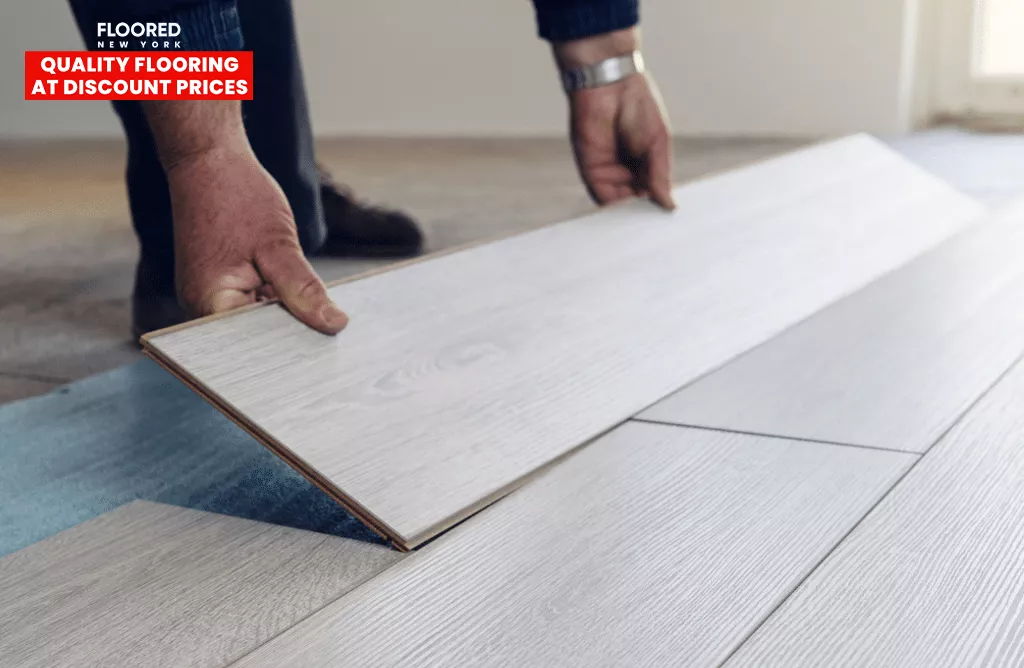
Luxury vinyl plank flooring lifts at the edges when the planks have nowhere to expand or when something pushes them up from below. The usual causes are a missing expansion gap, moisture under the floor, temperature swings, an uneven subfloor, and weak adhesive. Direct sunlight can contribute to heat-related movement in the flooring. The fix depends on the cause: free the edges, dry the subfloor, level low spots, or re-secure the planks. Depending on the cause and extent of the damage, lifted luxury vinyl planks may be repairable without replacing the entire floor.
Common Causes of Lifted Luxury Vinyl Plank Flooring in Long Island Homes
Luxury vinyl plank flooring can lift for several reasons. The following are common causes homeowners should know about.
1. A Missing or Blocked Expansion Gap
Vinyl planks grow and shrink slightly with temperature. Floating luxury vinyl plank flooring needs an expansion gap around walls and fixed objects. The required gap varies by product, so always follow the manufacturer’s installation instructions. When baseboards, heavy cabinets, or tight cuts pin the floor in place, the planks have only one direction to go: up. Even premium vinyl plank flooring needs room to move.
2. Moisture Under the Planks
Waterproof luxury vinyl flooring handles spills on the surface, but it cannot stop moisture rising from a concrete slab, a damp crawl space, or a slow plumbing leak. Depending on the flooring type and installation method, excess moisture can affect the subfloor or adhesive and contribute to flooring problems. If the floor is lifting, check for leaks or moisture beneath it rather than assuming the surface’s water resistance protects the entire floor.
3. Temperature Swings and Direct Sunlight
Large south- or west-facing windows can heat a floor well above room temperature. The planks expand, press against each other, and peak at the seams. Follow the flooring manufacturer’s guidance on temperature and sun exposure. Blinds or curtains can help reduce excessive direct sunlight and heat on the floor.
4. An Uneven Subfloor
Ridges, dips, debris, or unsupported spots beneath the planks can create uneven pressure and contribute to edge lifting. The subfloor must meet the manufacturer’s flatness requirements, as edges above low spots may lack adequate support.
5. Poor Acclimation or Adhesive Failure
Failure to follow the manufacturer’s installation requirements, including any required acclimation, can contribute to flooring problems. Glue-down planks also require a properly prepared subfloor and the correct adhesive application to help prevent edge lifting.
How to Fix Lifted Edges
- Find the source: Check the gap along the wall, test the subfloor for moisture, and run a straightedge across the area.
- Remove the trim: Take off baseboards or quarter-round and look for planks pinched against the wall.
- Restore the expansion gap: If a floating floor is trapped against a wall or fixed object, determine whether the edge needs careful trimming to provide the required clearance. Follow the manufacturer’s instructions or consult a flooring professional before cutting the planks.
- Dry and level: Fix leaks, run a dehumidifier, and patch low spots with a leveling compound.
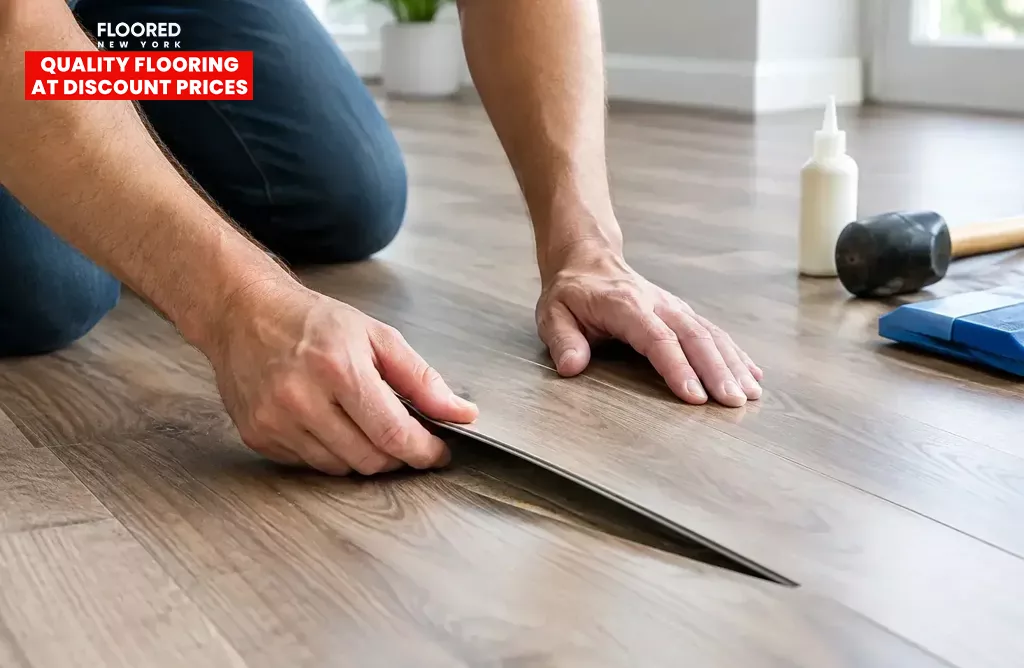
- Re-lock or re-glue: For floating click-lock floors, a plank may need to be disengaged and reinstalled using the manufacturer’s approved method. Damaged locking edges may require plank replacement. For glue-down floors, use only the manufacturer-approved adhesive and follow the specified curing procedure.
- Replace damaged planks: Warped or cracked pieces will not lie flat again.
Installer tip: Photograph the lifted area and mark where the gap feels tight before you start. It helps you or a professional pinpoint the cause quickly.
How to Prevent it from Coming Back
- Keep the expansion gap clear, and never nail it down into the floor.
- Maintain indoor temperature and humidity within the ranges recommended by the flooring manufacturer.
- For rooms exposed to strong sunlight, choose flooring suitable for the conditions and follow the manufacturer’s guidance on heat and sun exposure.
When to Call a Professional
If lifting spreads across several rooms, returns after repair, or comes with a musty smell, the cause is likely moisture or a subfloor problem. Professionals use moisture meters and leveling tools, and following manufacturer-approved repairs also helps protect your warranty.
Conclusion
Edge lifting in luxury vinyl plank flooring can be indicative of an existing problem such as limited expansion, moisture, or an uneven subfloor. Determining what may have caused the problem before making any attempt at repairing it will reduce the likelihood that the problem will recur. Floored New York can assist you in finding the best possible solution for your Long Island home.
FAQs
Sometimes, if a tight expansion gap is the cause and the plank is undamaged. Fix the cause first, or the edge will lift again.
Yes. The planks resist water, but moisture underneath can break the adhesive bond or cause movement.
The required expansion gap varies by product. Follow the manufacturer’s instructions for the correct clearance around walls and fixed objects.
Yes, if the lifting is widespread, keeps returning, or is tied to moisture.
Not always. Edge lifting affects the edges or seams of individual planks, while buckling involves a larger section of flooring rising. Both can result from installation issues, restricted movement, or other underlying problems.
